
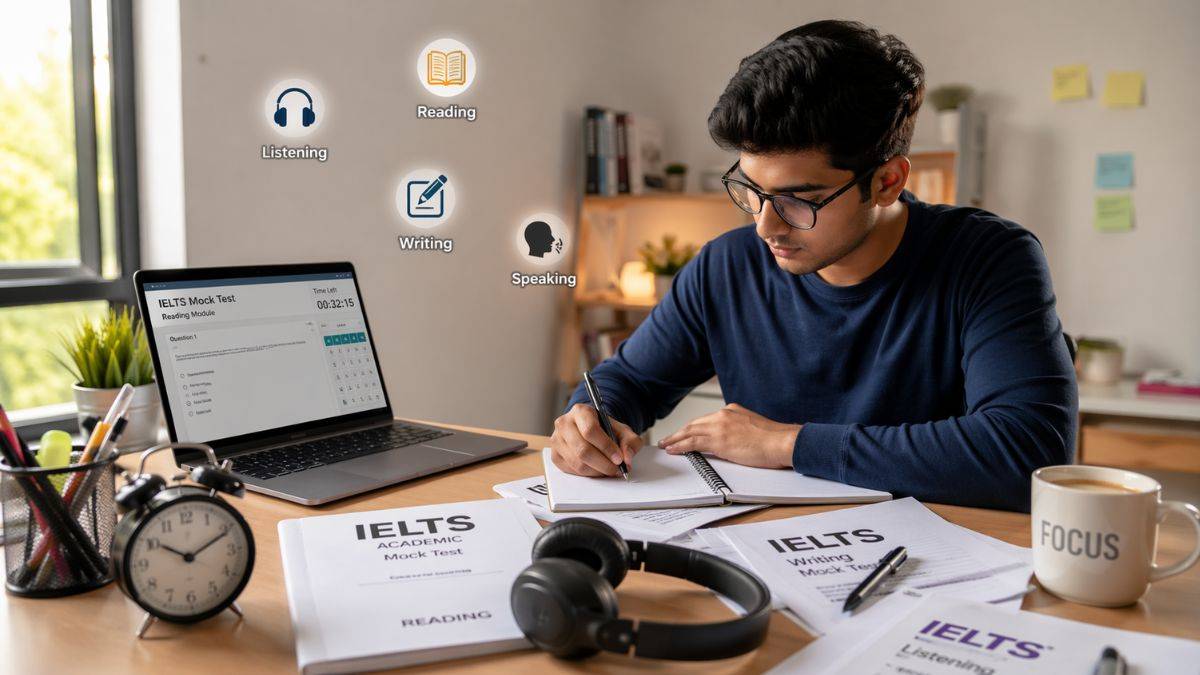
The IELTS mock test serves as an invaluable tool for aspiring candidates seeking to excel in the International English Language Testing System (IELTS). With the test comprising four key sections—Listening, Reading, Writing, and Speaking—candidates often find themselves navigating a complex landscape of preparation. Mock tests not only familiarize students with the format and timing of the actual exam but also help them identify their strengths and weaknesses, allowing for a more targeted approach to study and practice.
In addition to enhancing test-taking strategies, IELTS mock tests provide a realistic simulation of the exam environment, reducing anxiety and building confidence. By incorporating authentic practice materials and feedback mechanisms, individuals can effectively gauge their progress and make informed decisions about their preparation strategies. This article delves into the significance of engaging in mock tests, offering insights and tips on how to optimize this practice for successful IELTS outcomes.
Benefits of Taking IELTS Mock Tests
Participating in IELTS mock tests offers numerous advantages that can greatly enhance a candidate’s preparation journey. Firstly, these tests provide a clear understanding of the exam structure and time constraints, helping candidates develop effective time management skills essential for performing well on the actual test day. This practice helps reduce any unexpected surprises during the examination, allowing candidates to approach each section with confidence. Furthermore, regular mock testing can assist in tracking progress over time, empowering candidates to refine their study plans based on areas needing improvement. For comprehensive resources and practice materials, candidates can explore opportunities through Career Wise English.
Effective Strategies for Mock Test Preparation
To maximize the benefits of IELTS mock tests, candidates should consider employing a few effective strategies during their preparation. It is advisable to simulate real exam conditions by adhering strictly to the time limits and minimizing distractions during practice sessions. Additionally, reviewing incorrect answers and seeking feedback is critical; understanding why a certain answer was wrong helps to solidify knowledge and improve performance. Incorporating a mix of practice materials, such as past exam papers and online resources, can further enhance readiness for the various sections of the test, thereby ensuring candidates feel well-prepared and confident when it counts most.
In conclusion, utilizing IELTS mock tests as a cornerstone of preparation equips candidates with the essential tools needed for success in the actual exam. By familiarizing themselves with the test format, managing their time effectively, and actively seeking to understand their performance through feedback, candidates can foster a sense of confidence and readiness. The insights gained from mock testing not only clarify individual strengths and weaknesses but also guide targeted study efforts, ultimately making the study process more efficient and purposeful. As learners engage with these simulations, they not only build essential skills but also cultivate the resilience necessary to excel under the pressures of the actual testing environment, paving the way for achieving their desired IELTS scores.