
In today’s fast-paced world, the need for enhanced road safety and security has led to the increasing popularity of mobile dash cams. These compact devices serve not only as vigilant companions on our daily commutes but also as essential tools for documenting journeys and potential incidents. Whether you’re a rideshare driver, a frequent traveler, or simply someone who wants peace of mind while driving, installing a mobile dash cam can provide invaluable evidence during unforeseen events, from accidents to disputes.
The process of installing a mobile dash cam may seem daunting at first, but with the right guidance and tools, it can be a straightforward task that anyone can accomplish. This article will walk you through the essential steps for selecting and installing a dash cam effectively, ensuring you’re well-equipped to capture the moments that matter most on the road. By following these steps, you’ll not only enhance your driving experience but also gain an extra layer of protection for yourself and your vehicle.
Selecting the Right Dash Cam
When choosing a mobile dash cam, consider factors such as video quality, storage capacity, and additional features like GPS or night vision. High-definition video capability is crucial for capturing clear images, particularly in low-light conditions or during nighttime driving. Also, look for a dash cam featuring loop recording, as this ensures continuous recording without the need for manual deletion of old files. If you’re uncertain about which model suits your needs best, resources such as mobile dash cam installation Sydney can provide helpful insights and recommendations tailored to your driving habits.
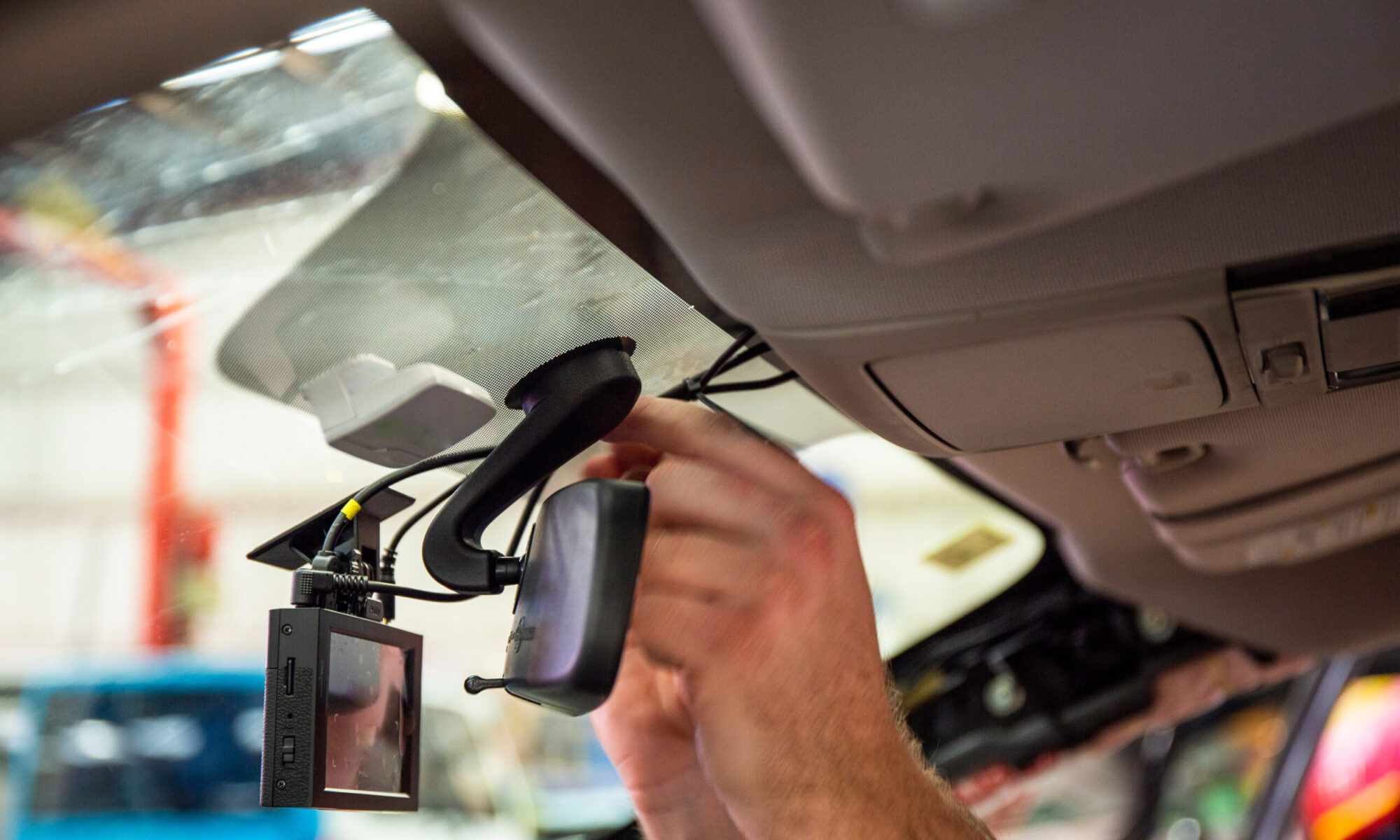
Installing your dash cam involves a few simple steps that begin with selecting an optimal mounting location on your windshield. Ensure that it provides a clear view of the road without obstructing your vision. Once you’ve chosen the right spot, use adhesive pads or a suction mount to securely attach the dash cam. Next, route the power cable along the edges of your windshield and connect it to the vehicle’s power source, typically using the car’s 12V outlet. Finally, test the dash cam by powering it on and verifying that it records properly, providing you with peace of mind for your future drives.
In conclusion, the installation of a mobile dash cam is a straightforward yet essential process that significantly enhances road safety and provides crucial documentation for any unexpected incidents. By selecting a high-quality dash cam tailored to your needs and following the installation steps carefully, you can ensure that you capture clear and reliable footage of your journeys. This added layer of protection not only instills a sense of security while driving but also functions as vital evidence in case of disputes or accidents, empowering you to navigate the roads with confidence. As you embrace this technology, you’ll be better equipped to protect yourself and your assets, making every trip a safer experience.