There are many misconceptions about dentistry, and these can lead to misunderstandings and fear about visiting the dentist. At Chapel Hill dentistry, we want to help our patients understand the facts about dentistry and what to expect when they come to see us. Here are five common misconceptions about dentistry and the truth behind them.
Misconception #1: Going to the dentist is painful.
Many people fear going to the dentist because they think it will be painful. However, modern dentistry has come a long way, and most procedures are not painful at all. In fact, most patients report little to no discomfort during dental treatment. At Dentistry Chapel Hill, we use the latest techniques and technologies to make sure our patients are as comfortable as possible.
Misconception #2: Cavities can be fixed by brushing and flossing alone.
Brushing and flossing are essential for maintaining good oral health, but they are not enough to fix a cavity. Once a cavity has formed, it can only be repaired by a dentist. If you have a cavity, it is important to have it treated as soon as possible to prevent the decay from spreading and causing further damage to your tooth.
Misconception #3: Only children need to see the dentist.
Many adults mistakenly believe that they only need to see a dentist if they have a toothache or other dental problem. However, it is important for adults to see a dentist regularly for preventive care. Regular check-ups can help detect and prevent problems before they become more serious, and can also help maintain good oral health.
Misconception #4: Dental work is too expensive.
The cost of dental care can be a concern for many people. However, it is important to remember that the cost of not getting dental treatment can be even higher in the long run. Neglecting your oral health can lead to more serious problems that require more extensive and costly treatment. At Dentistry Chapel Hill, we offer a variety of payment options and work with patients to find the best solution for their budget.
Choosing the right dentist for your family is a critical decision that should be made with care. It is important to consider the quality of the dental services you will be receiving, the experience of the doctor and the convenience of the practice. You should also trust your instincts and choose a Dentists in Eugene that you can feel comfortable visiting.
Location
Whether you are looking for a new dentist or a replacement for your current dentist, location is an important consideration. You want to be able to find your dentist easily and have a good experience during your visit.
The Internet is a great way to search for a variety of businesses and services. You can even check out the reviews on websites like Facebook and Yelp. However, if you are looking for a dentist, you should be careful to avoid fake reviews.
One of the best ways to locate a suitable dental office is to ask for referrals. You can ask friends, family, or colleagues for recommendations. You may also want to check out the local health department for a list of dentists.
Experience
Choosing a dentist for your family is an important decision. You want a dentist that offers a wide range of services and can be trusted to provide you and your children with the best dental care. A good family dentist will make your visits easier and more enjoyable.
First, you will want to consider the education and credentials of the dentist. He or she should be a member of the American Dental Association (ADA). This professional organization has a code of ethics that includes respecting patients’ health and safety. ADA members have access to a wealth of information and resources.
You will also want to see if the dentist accepts your insurance. If not, find out if there is a payment plan or other options available.
Quality of care
Choosing a dentist is an important part of your oral health care. You want to choose someone who provides high-quality care. This is especially true if you have children. Your dental care should be a positive experience.
Your dentist should provide a wide variety of services, including preventative care, cosmetic treatments, and teeth whitening. They should also be on call to address emergencies when you need them. They should also have a staff that is friendly and polite. They should have an office that is clean and comfortable.
You will want to ask about their educational background, the length of their practice, and the types of certifications they have. You should also read reviews. This will help you make a more informed decision.
Convenience
Choosing a dentist for your entire family can be difficult. This is especially true if you have children. The right dentist can make the process less stressful. This is why it’s important to choose one that is convenient for you and your family.
If you have young kids, you’ll want to find a dentist that is close to your home. That way, you won’t have to worry about traffic and commuting to the office. You’ll also want to find a dentist that accepts your insurance.
If you aren’t covered by dental insurance, you’ll want to find out upfront about costs and payment plans. This will give you an idea of whether you’ll be able to keep your appointments. You’ll also want to consider the quality of service.
Trust your gut
Getting a gut feel for something is a great way to determine whether you’re making the right decision. In fact, 40% of CEOs make their decisions based on the gut feeling. If you’re thinking about starting a business or just looking for a change, you should learn how to trust your gut.
When making a decision, it’s important to weigh data, research, and your own personal intuition. There are many factors to consider when choosing a new dentist for your family. Luckily, there are tools available to help you navigate the decision-making process. If you’re interested in figuring out how to trust your gut, you can sign up for a free coaching program to learn more about the subject.
While your intuition may not always be correct, it can be the best guide to your ideas. For example, if you have a strong feeling that your child should stay home from school, you’re more likely to follow through than if you think you should have stayed in class.
Getting a Chimney Inspection regularly is one of the best things you can do for your home. This is a great way to ensure that your chimney is in tip-top shape, and it can also help to protect you from dangers such as carbon monoxide poisoning.
Check for creosote build-up
Depending on how frequently you use your fireplace, you may need to have it inspected regularly to ensure that it is working properly. A professional chimney sweep can inspect your fireplace to determine whether creosote build-up is present. If there is a build-up, it can be removed or prevented.
Creosote is a flammable byproduct of wood burning. It can be seen as crusty or sticky, and it can also appear shiny. It can also leave oily marks on the walls of your fireplace.
The risk of a chimney fire can be minimized by burning dry wood. If your fireplace is not venting correctly, you may also need to make sure that you have a good draft up the chimney. Poor draft can lead to smoldering fires, and can result in creosote build-up.
Check for obstructions
Whether you’re building a new home, buying a house, or just want to make sure you’re safe, regular chimney inspections are important. They can detect structural issues, so you can resolve them before they cause problems.
A typical level one inspection will check the flue, the fireplace and its connections, and look for leaks or other obstructions. It will also examine the masonry on the roof and inside the home.
A chimney fire is a serious risk. Not only will it put your home at risk of smoke and carbon monoxide gas, but it can also result in a backed-up mess that can get into your home and potentially cause a serious fire.
Other common issues include missing or cracked flue tiles and mortar joints. These can be repaired with tuckpointing. This involves cutting a thin groove in the center of a new mortar joint and filling it with contrasting mortar. It can cost $5 to $25 per square foot.
Check for damage from natural disasters and storms
Having a regular chimney inspection can help you avoid future headaches. This is especially true if you live in an area prone to natural disasters, such as hurricanes and earthquakes.
In short, a regular inspection can be a good idea for any homeowner. It can also help you save money. If you have a storm rippling through your area, it is important to document the damage and claim your insurance money. After all, the last thing you want to do is have to deal with the aftermath of a hurricane.
In a nutshell, a chimney inspection can identify leaks, detect structural issues, and tell you if your system is still up to par. It is also a good idea to waterproof your chimney to prevent water from getting in.
Avoid carbon monoxide poisoning
Keeping carbon monoxide poisoning at bay is critical for the safety of your family. This gas is odorless, tasteless and can cause serious health problems. It can affect people of all ages, but older adults and children are more vulnerable. It is particularly dangerous for those with heart and lung disease.
To keep your home safe from carbon monoxide, you should have your fuel burning appliances checked by qualified professionals every year. Make sure that they are vented outside. Also, your chimney needs to be clean and free of obstructions. If debris clogs your chimney, you may not be able to vent the gases properly.
If you are experiencing any symptoms of CO poisoning, you should seek medical attention immediately. You may not realize that your exposure is dangerous until you begin to feel sick.
Cost
Regardless of whether you have a single flue, multiple flues, or a masonry chimney, regular chimney inspections should be a part of your home maintenance routine. An inspection can uncover structural problems, such as cracks and leaks, that can cause damage or lead to house fires.
The Chimney Safety Institute of America (CSIA) recommends that chimneys be inspected at least once a year. However, some homeowners may be required to have an inspection based on their homeowner insurance policy or after a natural disaster, such as a hurricane or earthquake.
The cost of an inspection will vary depending on the size of your chimney. In general, a level one inspection costs about $100. A more in-depth investigation, such as a level two inspection, is a bit more expensive.
Whether you are building a home or office, you need to be aware of the effects of strong winds on your project. You want to make sure that you have enough wind resistance on your structure so that you are not affected by the storms. In addition, you want to make sure that you are aware of the load resistance requirements on any nonstructural elements in your building. You also want to make sure that you are locating your building in a location where the winds are not too powerful. Check out the wind classification for the construction project.
Straight-line wind
Unlike tornadoes, which are the result of rotating storms, straight-line wind is an outflow of a thunderstorm that doesn’t rotate. It’s caused by a difference in air temperature and density, which causes the storm system to push air downward.
Although straight-line wind is less likely to destroy buildings, it can be just as damaging. Trees, power lines and vehicles are frequently knocked over by straight-line winds, which can result in considerable property damage.
Damage caused by straight-line windstorms is easy to spot from the sky. The most obvious indication is a fan-like pattern of debris. These debris are generally blown away in one direction, but they can also be scattered in different directions.
The National Oceanic and Atmospheric Association (NOAA) tracks the damage caused by severe weather events, and estimates that $17 billion in property damage is reported each year in the U.S. Almost half of these reports come from severe thunderstorm winds.
Down-Slope wind
Frequently found in mountainous areas of the western United States and Alaska, a down-slope wind is a dry air mass that speeds through mountain passes at near 160 kph. Although down-slope winds can certainly affect a construction project, a proper engineering solution will likely involve consulting a meteorologist or two.
The most important question is: What are the best possible ways to minimize the risk of having a down-slope wind blowing through your project? There are many factors to consider, including terrain upslope and wind direction. One of the easiest ways to quantify the risk is by examining the wind speed in relation to height above the ground. A good place to start is by asking your local building department for information on climatic data and locating a local meteorologist.
The best part of the process is determining the most cost-effective solutions for your project. This can be achieved by studying the wind patterns, the weather patterns, and the terrain upslope.
Load resistance criteria for nonstructural elements
Whether you are designing a new construction project, remodeling an existing one, or preparing an architectural contract, it is important to be familiar with load resistance criteria for nonstructural elements. A design team should analyze the building and the surrounding area, as well as the external-mounted mechanical equipment. The goal is to ensure that the items are repaired before they fail. Oftentimes, repairs are less expensive than waiting for failure to occur.
If the building is located in an area with a strong wind, the designer of record is responsible for demonstrating the nonstructural building envelope’s resistance to design wind loads. The strength of the building envelope is determined by a combination of factors, including the building’s size, material, and spacing. It is also important to consider the structural connections. This includes the connection between the foundation and the wall.
When designing the exterior non-load bearing walls of a building, the designer should consider using a partial enclosed pressure coefficient to determine the load capacity of the wall. In addition, the wall should be anchored to the foundation properly.
Avoid locating an office building in a hurricane-prone region
Whether you are locating an office building in a hurricane prone area or just want to be prepared, there are several steps you should consider to minimize your risk of damage. There are three areas to look at, design, construction and maintenance, to reduce your risk of damage. The first two areas address building design and construction, while the third area covers maintenance and emergency response.
Design and construction enhancements to your office building are recommended to help reduce your risk of damage. For example, installing special roof and wall finishes can help protect your building from windborne debris. During hurricanes, windborne debris is a common cause of damage to both interior and exterior walls. Debris can travel over 300 feet in an extreme wind event. In addition to damaging your building, debris can damage automobiles and other buildings.
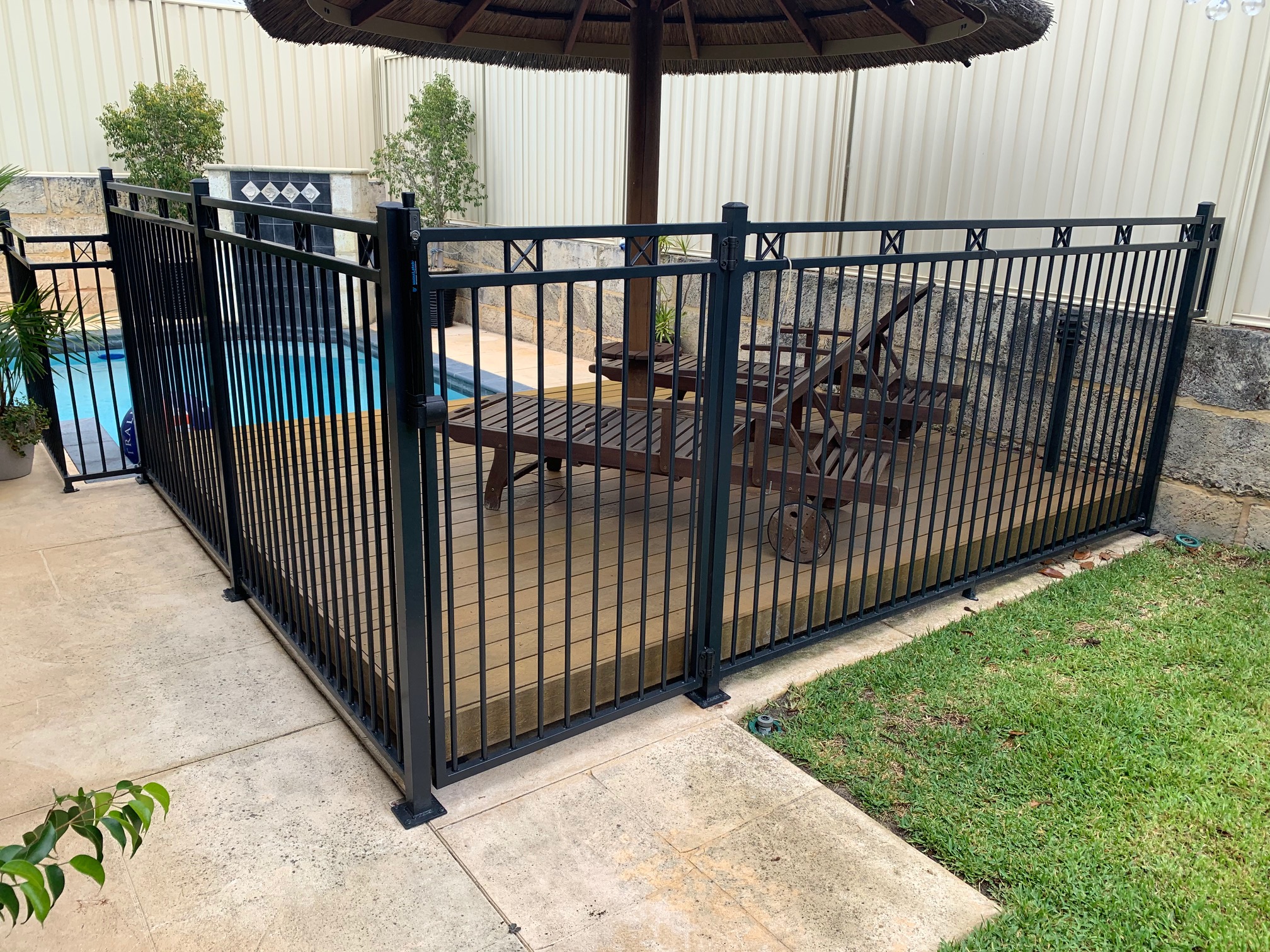
Choosing the Aluminium Fencing Northern Beaches fence contractor for your project is an important decision. Choosing the wrong one could cost you your project and can even be a safety hazard. Here are 5 tips to help you make a smart choice.
Consider years of experience
Choosing a fencing contractor is an important step in the construction of a new fence. Choosing a qualified and experienced contractor is key to the successful completion of a fencing project.
Before you choose a fence contractor, make sure that you take the time to do your research. You can do this by visiting the local hardware store or looking for reviews online. You may also want to call around and ask people in your area for recommendations.
It’s important to look for a contractor that offers good customer service. A fence installation customer deserves respect. A good contractor will keep you informed throughout the process. You should also be able to expect a timeline for the completion of your project. The contractor should also outline the cost of the project, a payment plan, and any other pertinent information.
You may also want to check to see if the contractor offers any special warranties. This is a good way to make sure that you are getting the most value for your money.
Check for red flags
Whether you’re looking for a residential or commercial fence contractor, there are some things to look out for. These red flags can help you avoid issues down the road.
The first thing you should check is the Better Business Bureau. This is a resource that helps consumers and businesses report problems with a company, and the BBB calculates an overall score for the business. If the contractor you are considering has a low score, it’s a sign that there are problems.
Another thing to check for is whether the contractor is bonded. This protects you from being sued if they are found to have broken the law. Having a bonded contractor can prevent you from having to pay for any work done that isn’t up to code. Having a bonded contractor will also protect you from paying for work that was done by someone without the proper insurance.
You should also look for a contractor’s website. The best contractors have a website that shows pictures of their work, as well as the contact information for former clients.
Get references
Getting references when choosing a fencing contractor is an important part of making the right decision. This is because it gives you a great idea of how well a contractor fulfills your needs. It’s also a great way to save time.
You can find references for fencing contractors by searching the Internet. You can also check the Better Business Bureau to find out if there are any complaints against a particular fencing contractor.
Another way to find references for fencing contractors is to ask people you know. These people may have worked with a fencing contractor before and may be able to provide you with firsthand knowledge about their experience. They may even have contact information for former clients.
You can also check out online review sites to find out if a fencing contractor has a good reputation. You can find reviews on websites such as Yelp or Angie’s List.
A good way to find references for fencing contractors is to request a quote from several companies. You can also schedule an appointment with each contractor to see if the contractor is a good fit for your needs.
Sign a contract
Getting a fence contractor to sign a contract is a necessary step in the fence installation process. It ensures that you and your contractor understand what the expectations are and what you are getting for the money. It is also enforceable in court. It is important to find a reputable contractor that can deliver what it promises.
The first place to check for fence companies is the Better Business Bureau. You can also check online reviews and see if there are any complaints. If you find that there are, ask for references.
Fence contractors should also have general liability insurance. This covers property damage and injuries to their employees. They should also carry the right tools and equipment for the job. They should also keep their customers updated on the status of their project.
You should also ask about how long the fence contractor has been in business. If they have been in business for a long time, you can be sure they have experience. They should also be familiar with local building codes.
Choosing a good plumber can be a difficult task, especially when you are trying to get the job done in a timely manner. However, there are some tips you can follow to ensure you get a professional who can do the job properly. Visit Plumbing elwood for the best plumbing services.
Consider your budget
Choosing a good plumber isn’t a task to be taken lightly. You want to find a professional that can do the job right the first time. Aside from that, you want to make sure you choose a plumbing company that offers the best value for your money. Often, you may have to dig a little deeper into your wallet in order to get the job done.
The best way to determine if a plumber is worth your money is to perform a bit of research on their credentials. A qualified plumber should be a member of a reputable trade association. For example, the Institute of Plumbing is an organization you can look to for recommendations. The organization has a list of credible members who can offer a range of services, from commercial plumbing to heating and air conditioning.
Get at least three estimates
Getting at least three estimates when choosing a good plumber is a great way to compare prices and get the most value for your money. You do not need to hire the first company you call, but you should take some time to compare prices and get at least three estimates from reputable companies.
The best way to determine if a plumber is the right person for the job is to ask a few questions. These include questions about the services and experience of the plumber, the fee structure, how long they have been in business, and whether or not they have insurance.
Another thing to check is whether or not a plumbing company has a good standing in the community. Look for reviews online, as well as references from friends, neighbors, and family members. Also check with the Better Business Bureau.
Check for credentials
Choosing a good plumber requires careful research. This includes checking for credentials. Checking for credentials is important because it helps you protect yourself and your home. If you hire a plumber who does not have the proper licensing, you may be liable for any accidents, injuries, or damages.
The best way to check for credentials is to speak with friends and family. They can recommend plumbers they have worked with in the past. You can also check online reviews. This will give you an idea of the quality of work they have done. You can also ask local real estate agents or remodeling contractors for a list of reliable plumbers.
A good plumber should have a good reputation and be trustworthy. They should be responsive and respectful. They should be able to answer questions and take a comprehensive look at your plumbing needs. They should be able to provide estimates on the work they will do.
Ask for referrals
Choosing a good plumber is important to ensuring your home’s plumbing is working effectively. Finding a plumber through word-of-mouth referrals is a common way to find a local professional. But getting referrals can be tricky. This is why you need to know the right way to ask for referrals.
Whether you are a residential or commercial plumbing contractor, you need to establish a process that will increase your referrals. The following tips will help you make this process easier.
First, let your customers know that you are relying on referrals. Make sure they know that you want their business and will thank them for the referral. Also, make sure they have your business card. This will make it easier for them to contact you if they need to.
Avoid hidden charges
Choosing the right plumber for your needs may not be as simple as it sounds. Most companies offer a variety of packages and pricing models so it’s important to choose wisely. There’s no need to pay a penny more than necessary. By avoiding common pitfalls, you can avoid being ripped off. The best way to do this is to do your homework. Read customer testimonials, check online reviews, and be prepared to discuss payment and cancellation policies before you agree to anything.
When you’re looking for a plumber, you’ll have to ask yourself the same questions. Does your plumber have the right certifications and licenses to perform the job? Do they have a good reputation with their peers? If you’re lucky, they may be able to put their best foot forward and earn your business in the process.
Whether you are looking for a smile makeover or simply want to get the perfect smile, cosmetic dentistry can help you achieve your goal. From dental crowns to veneers and Inman Aligners, there are a variety of procedures to choose from. Check out the Cosmetic Dental Surgery in Subiaco.
Porcelain veneers
Whether you have missing teeth, discolored teeth, or chips, porcelain veneers can help you get the perfect smile. These wafer-thin shells are customized to fit your teeth and will last up to fifteen years with proper care.
Porcelain veneers can be bonded directly to your teeth, and are made of a durable tooth-colored material. They can change the size, shape, and color of your teeth. They are also stain-resistant and resistant to most chipping.
To get porcelain veneers, your dentist will first take an impression of your teeth. These impressions will be sent to a dental laboratory. The lab will then make veneers that are tailored to your teeth. They will be etched and polished, and then bonded to your teeth.
The dentist will also take digital x-rays of your mouth. The dentist will then discuss treatment options with you. This consultation will also help you decide if porcelain veneers are right for you.
Teeth whitening
Having whiter teeth is an attractive goal. It can also make you feel more confident and improve your smile. It is also an inexpensive way to improve your appearance.
Dental whitening is a process of removing built up stains on your teeth. A chemical reaction occurs to remove the discoloration. The procedure is performed in a dental office.
It is recommended that you see your dentist for a consultation before beginning any cosmetic dentistry procedure. Your dentist will be able to answer any questions you have and determine if you are a good candidate for whitening.
Teeth whitening can also help protect your gums. It also improves the color of your teeth and can match the color of restorations you may have. The process can take up to several visits.
Dental crown lengthening
Often used as part of a smile makeover, crown lengthening is a cosmetic dental procedure that can be used to improve your smile. This process can also be used to restore a damaged tooth or reduce your risk of developing tooth decay.
Crown lengthening is a procedure performed by a dentist to make a person’s teeth appear longer, more attractive, and more symmetrical. The process involves removing excess gum tissue, bone, or both.
This surgery can also be used to correct a “gummy smile”. When gum tissue covers the surface of a tooth, it can create the illusion of teeth that are shorter than they actually are. Excess gum tissue also increases a person’s risk for developing periodontal disease.
The procedure is simple. The dentist uses local anesthetic to numb the area before making a series of small incisions. The excess gum tissue is then removed, exposing more of the tooth’s natural structure.
Inman Aligner
Getting the Perfect Smile with Inman Aligner is a great option for patients who are looking for a fast, effective, and affordable way to straighten their front teeth. Inman Aligners work by using a patented process that is able to move teeth into the proper position more quickly. Inman Aligners are also extremely safe, and have a 94% success rate.
Inman Aligner is a clear, removable appliance that gently guides your front teeth into the ideal position. Inman Aligners can straighten your teeth in as little as six weeks. The Inman Aligner is made from Nickel Titanium coil springs, which provide a large range of movement. The springs are also designed to provide constant gentle pressure on the teeth.
When you first come into our office, your dentist will take a thorough examination of your teeth and determine whether Inman Aligner is right for you. If Inman Aligner is a good choice for you, your dentist will create a custom treatment plan. The Inman Aligner can be worn as much or as little as you’d like.
Porcelain tooth crowns
Using porcelain tooth crowns with cosmetic dentistry can help to restore a tooth’s look and function. Porcelain dental crowns can also be used to repair a tooth that has been damaged by a large cavity, decay, or other dental problem.
Porcelain dental crowns are molded to fit your teeth, so they look and feel natural. They can last up to 20 years or longer. You will need to have them checked and re-crowned at least twice a year to ensure they are in good shape. You can also choose a porcelain crown that is matched to the colour of your teeth.
Dental crowns are also used to cover missing teeth. The crowns are attached to your teeth using a special dental cement. They are also used in conjunction with dental implants.
Regardless of your current hair loss condition, there are several different options available to you. Some of these options are non-invasive, while others involve surgical procedures. Whatever you decide to do, make sure you understand the advantages of the different Hair Loss Options.
Hair Transplants
Getting a hair transplant can be quite a chore, and the associated costs are no joke. But if you’re willing to put in the time and effort, you’ll be on your way to a full head of hair in no time. The hair may look a little odd at first, but it will be worth the effort once you get to know it better. If you’re looking to save the money and time that would go towards keeping your hair looking its best, you might want to consider a wig. And while a wig will cost you a pretty penny up front, the benefits are well worth the cost. It’s a no-fail way to improve your confidence and enhance your social life. Using a wig will also save you the hassle of shaving your head every morning.
A good hair transplant will also give you the confidence to try out the latest fads in hairstyles and hair color. But be sure to consult a good doc before committing to the latest fashions. This will give you the peace of mind you need to know.
Other Non-invasive Treatments
Surgical hair restoration is the go to for most men and women in their prime. There are a few non-invasive methods such as FUE and FUT – the latter is a tad more complicated, but that’s a different topic altogether. The best part is, you don’t have to pay for it. In fact, you can save up to $500 per session and have your hair restored in less than 2 hours. In addition, you can take your pick of the best hairstylists in the industry. You may also be eligible for a no-strings-attached VIP treatment, which means you get the best of the best in one fell swoop.
Surgical Procedures
Surgical procedures for hair loss are usually carried out by a surgeon or a dermatologist. This is because a lot more precision is needed in this procedure. It is important to find a board-certified plastic surgeon or dermatologist.
Surgical procedures for hair loss may include hair transplants and scalp reduction surgery. Hair transplants are procedures that move hair follicles from one part of the body (donor site) to a balding area (recipient site). The donor site is the part of the head where hair is currently thinning or receding.
Hair transplant surgery involves the removal of a strip of hair-bearing skin from the back or sides of the head. The strip is then split into tiny pieces and inserted into holes on the thinning or balding area. The holes are then covered with gauze. After surgery, the new hair begins to grow in about three to four months.
Surgical procedures for hair loss also involve using ointments, shampoos, or other treatments. These treatments can be very effective. But they come with risks, such as infection, bleeding, and nerve damage. These risks can be reduced with proper pain management and prescribed medications.
The best candidates for hair transplant surgery are men who have male-pattern baldness. In fact, about 35 million men in the US suffer from this condition. Other hair loss patients include women, who may also undergo surgery to combat receding hairlines or thinning hair.
Whether you are looking for health benefits or want to expand your food production, you should consider growing Garlic. This tasty herb is easy to grow and offers a variety of uses, making it an ideal addition to your home.
Varieties of garlic
Whether you are looking for garlic for health benefits or for versatility, there are many different varieties available. Each variety has its own unique characteristics and tastes. The best choice is dependent on where you live and what you like.
Hardneck garlic is a type of garlic that forms a tall, flowering stalk. Its cloves have a hot, complex taste and are usually smaller than softnecks. Hardnecks are also known to have a shorter storage life than softnecks.
There are 8 groups of hardneck varieties. Some of the best garlic varieties are known as German White, Russian Giant, Georgia Fire, and Majestic.
Hardneck garlic is a great choice if you live in a cold climate. The bulbs tend to be larger than softnecks and have a longer shelf life. The smallest cloves are clustered in the center of the bulb.
Diseases that affect garlic growth
Various diseases can affect garlic growth, including seed rot before sprouting and collar rot on seedlings. These diseases can also affect bulb quality. To prevent these diseases, growers should keep their soil free of excessive irrigation. Keeping the soil moist is also important. Using organic fungicides can also help.
In addition to these diseases, there are some pests that can affect garlic growth. The onion thrips are the most common insect pest. They feed on leaves to obtain sap, which can reduce crop yield. The most common species of garlic parasitic mites are Rhizoglyphus and Aceria. In the US, leaf miners have also been found.
The fungus Ditylenchus dipsaci causes bulb rot. Infection occurs when the spores land on the plant. The early signs of infection include small white spots on the leaves. The spots eventually grow into oval or diamond-shaped orange spots.
Pests that affect garlic growth
Various pests can damage the growth of garlic. Some pests are relatively easy to control, while others are more difficult. These include onion thrips, bulb mites, nematodes and rust. These pests can cause serious damage to garlic plants, resulting in reduced production.
Onion thrips are the most common pests of garlic. These insects are solitary and measure about one millimeter in length. They live in the soil and feed on the bulb of garlic, causing it to rot. They can also cause stunted growth.
The dry bulb mite (Aceria spp.) is another common pest. They are about 0.25 mm long and have tapered ends. They eat the bulb and stem of garlic. They also cause stunted growth and waxy breakdown of the cloves.
Another garlic pest is the onion maggot. These maggots are white and have a cylindrical shape. They are very small and can cause stunted growth of the bulb.
Covering your garlic bed with mulch
Putting a layer of mulch over your garlic bed is a good way to conserve water and insulate the bulbs. It will also keep the soil cool during the hot summer months.
You may already have a layer of straw on hand, but you can also use chipped deciduous leaves. This is a great way to prevent weeds from growing in your garlic beds.
A layer of straw will also help insulate your garlic bulb from cold temperatures. Garlic bulbs are sensitive to moisture, so you will want to keep them well watered during the spring months.
You can also add bonemeal or aged manure to the soil. These nutrients will boost the growth of your garlic plants.
You can also use compost to improve your soil’s drainage. This will help your garlic plants to stay healthy and produce an abundance of bulbs.
Increasing food production
Increasing food production with garlic can be achieved through various strategies. The main method is vegetative propagation. Garlic is propagated by seedlings, bulbils, or aerial bulbs. The plants can be propagated by dividing the aerial bulbs into cloves or by planting them in the ground.
A well-drained soil is important for growing garlic. In addition, a layer of clean straw mulch can help protect the soil from weeds and other soil borne diseases. This can also reduce the temperature of the soil and conserve moisture.
Garlic grows best in soils that have a pH of 6-7. Soil tests should be conducted before planting. Fertilizer applications should be split to avoid runoff.
Garlic has a unique aroma and flavor. It is widely used as a spice and is often used in curry powders, mayonnaise, and tomato ketchup. It also has antihypertensive, anticarcinogenic, and antifungal properties.
Whether you are looking to buy or sell a home, you will find a number of benefits to working with a new home builders. These benefits include reliability, flexibility, and experience.
Reliability
Using a custom home builder is a major undertaking. As with any major undertaking, the best way to get the most out of your money is to hire a reputable company. They should be able to provide you with a complete list of relevant credentials, including accreditations and insurance.
The most reliable custom home builder should also offer you an itemized cost estimate, as well as an accurate timeframe for the project. In addition, it should be able to supply you with all the pertinent documents in a timely manner. If they do not offer this service, you might want to look elsewhere. A reputable company should also be willing to demonstrate to you how to get the most out of your money.
The best custom home builder should also be able to recommend an expert in the field to take your project from conception to completion. You need to be able to trust your contractor to deliver on their promises. A reputable company will also be able to make sure your building plan is approved by the local municipal authorities.
Flexibility
Using a custom home builder will likely give you the most bang for your buck. You’ll spend more time on the design front, and will get a more personalized end result. You’ll also have more control over the details. In addition to customizing the interior, you may even opt for custom fixtures and appliances.
Custom home builders are also a good source of information when it comes to choosing the right type of house for your family. They’ll be able to tell you which types of homes are best for your family’s lifestyle and your budget. If you’re considering building a custom home, make sure to shop around and compare builders before you sign the contract.
One of the most fun parts of building a custom home is the opportunity to design a home that reflects your tastes and personality. This is especially true when it comes to choosing the right type of materials and fixtures. The end result will be a home that meets all your family’s needs.
Experience
Choosing the right home builder is important for a smooth construction process. A great builder will offer suggestions and make sure your project stays within budget. This is why it’s important to check the builder’s reputation, financial stability and payment history.
Home building is a difficult process, but with the right expertise and advice, it can be made easier. A custom home builder can help you navigate the process, and will give you detailed information about what’s possible in your neighborhood. They can also help you find a lot and submit permits.
A quality custom home builder will have a reputation for building high-quality homes. They have a formal education in construction management, which provides them with unique problem-solving skills. They will also have a wide knowledge of different building materials, and will know which combinations are best.
A custom home builder can also help you choose the right ventilation system. This is important because proper ventilation keeps air fresh and prevents drafts. It also keeps your home comfortable.
Warranty
Whether you are a first-time homebuyer, or an experienced homeowner, it is important to understand the details of a custom home builder’s warranty. This can help you to establish realistic expectations and protect your investment.
A warranty is a contract between the homebuyer and the builder. It outlines the procedures for reporting breakages in the home. These can include breakages of appliances, systems, and structural problems.
If you suspect that your builder is not providing the kind of warranty that you were expecting, it is important to know what to do. Read the warranty carefully, and follow the procedures for making a claim. If you fail to report a problem in a timely manner, the warranty will be voided.
A workmanship warranty covers mistakes made in the installation of building materials. These warranties can be limited, and the duration of the warranty can vary. It is important to read the fine print, however, as even the best builders can make mistakes.