
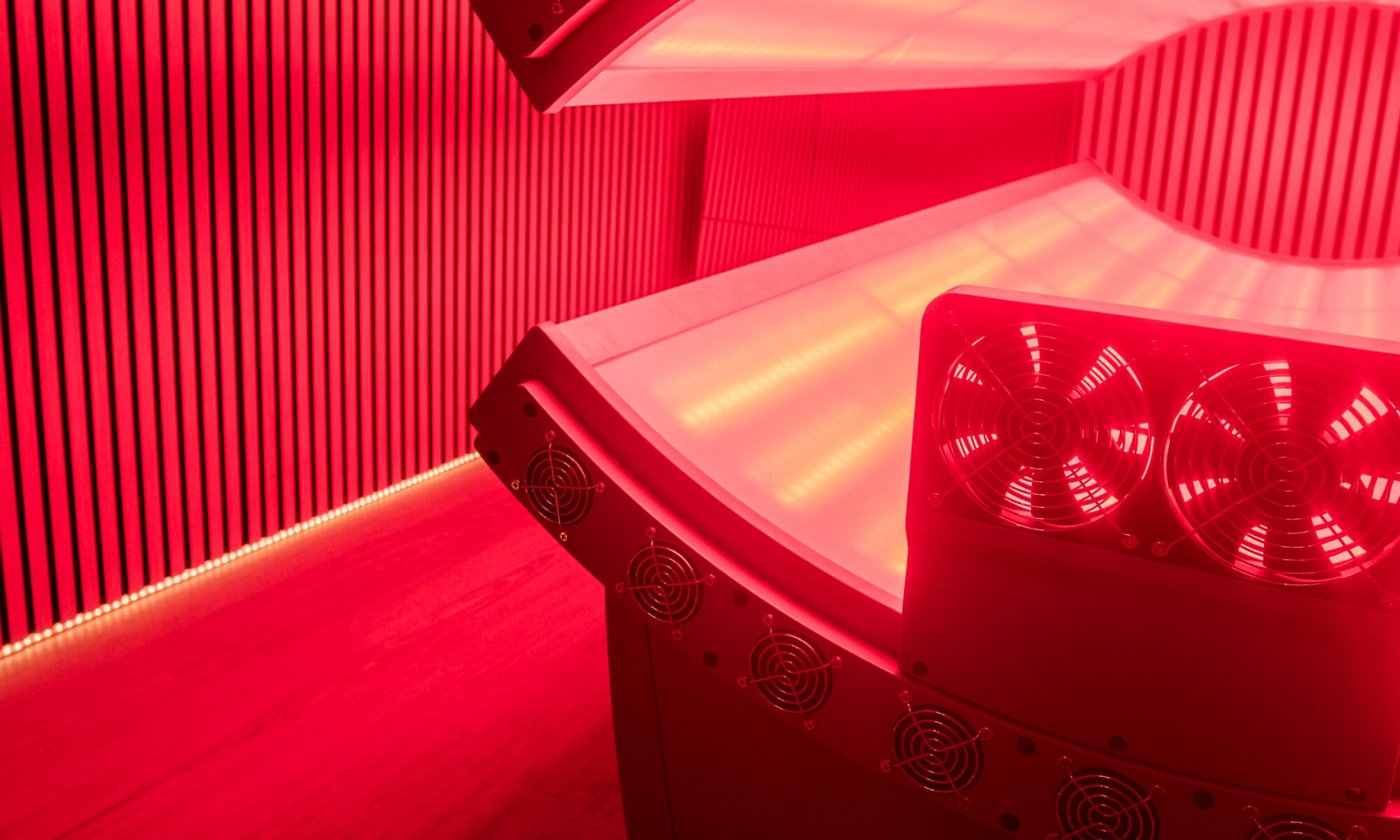
Red light therapy has become increasingly popular among athletes and active individuals looking for non-invasive ways to support recovery and general wellness. Also known as photobiomodulation, this approach uses specific wavelengths of red and near-infrared light that interact with biological tissues. It has been studied for potential applications involving muscle recovery, exercise performance, skin health, and temporary discomfort following physical activity.
As interest in recovery technologies continues to grow, athletes are exploring different approaches that may complement established habits such as proper nutrition, hydration, sleep, stretching, and structured training. Red Light Therapy for Athletes is one area receiving attention, although research findings can vary depending on the treatment method, wavelength, dosage, and individual circumstances.
Understanding How Red Light Therapy Works
Red light therapy uses low-level red or near-infrared light rather than ultraviolet radiation. The light can interact with cellular components and may influence processes associated with energy production and cellular signaling.
Photobiomodulation research has particularly examined mitochondrial activity and adenosine triphosphate, commonly known as ATP. ATP provides energy used by cells, so researchers have investigated whether influencing these processes could contribute to tissue recovery and other physiological effects.
The response to treatment can vary based on factors such as wavelength, light intensity, exposure time, treatment distance, and the area being treated.
Supporting Muscle Recovery
Recovery is an important part of athletic performance. Intense exercise can temporarily increase muscle soreness and fatigue, leading athletes to explore different recovery strategies.
Research into photobiomodulation has examined whether red and near-infrared light may influence muscle recovery after exercise. Some studies have reported potential improvements in measures such as soreness or recovery, while other research has produced less consistent findings.
Because treatment protocols differ, athletes should avoid assuming that every red light device will provide identical results.
Reducing Exercise-Related Discomfort
Physical training can place considerable stress on muscles and joints. Some athletes investigate red light therapy as a complementary approach for managing temporary exercise-related discomfort.
Photobiomodulation has been studied in connection with various types of musculoskeletal discomfort. However, persistent, severe, or unexplained pain should be evaluated by an appropriate healthcare professional rather than treated solely with light therapy.
Potential Support for Physical Performance
Researchers have also explored whether photobiomodulation may influence aspects of exercise performance. Proposed mechanisms include effects on cellular energy metabolism and oxidative processes.
Some studies have reported promising results in particular athletic settings, but evidence is not uniform. Factors such as the type of exercise, treatment timing, wavelength, and dosage can influence the outcome.
Red light therapy should therefore be considered a potential complementary tool rather than a substitute for a well-designed training program.
Supporting Skin Health
Athletes often spend significant amounts of time outdoors or participating in activities that place additional demands on their skin. Red light therapy has also been investigated for cosmetic and dermatological applications.
Research has explored its potential relationship with collagen-related processes, skin appearance, and tissue repair. These applications may be relevant to active individuals, although results can vary and treatment should be used according to appropriate guidance.
Incorporating Red Light Therapy Into Recovery
Athletes interested in trying red light therapy should first understand the specifications of the device they plan to use. Different products can vary significantly in wavelength, intensity, coverage, and recommended exposure time.
A practical recovery routine may also include:
- Adequate sleep and rest.
- Proper hydration.
- Balanced nutrition.
- Gradual training progression.
- Appropriate warm-ups and cool-downs.
- Professional guidance when injuries occur.
Red light therapy should complement these fundamentals rather than replace them.
Choosing a Red Light Therapy Device
Athletes considering a device should evaluate several factors before making a decision.
Wavelength
Red and near-infrared wavelengths have different penetration characteristics. Check the manufacturer’s specifications to understand what wavelengths the device provides.
Light Output
The intensity of light can affect treatment exposure. Follow the manufacturer’s recommended usage rather than assuming higher intensity is automatically better.
Coverage Area
Some devices target a small body area, while panels and larger systems can cover more of the body. The appropriate option depends on how the device is intended to be used.
Treatment Instructions
Always follow the manufacturer’s recommended session length, distance, and frequency. Avoid extending sessions simply because a longer treatment seems more beneficial.
Safety Information
Review the device’s safety instructions and follow any recommendations regarding eye protection or other precautions.
Is Red Light Therapy Right for Every Athlete?
Red light therapy may not be appropriate for everyone. Individual health circumstances, medications, and sensitivity to light can affect whether the treatment is suitable.
Athletes with an injury, ongoing medical condition, or persistent symptoms should consult an appropriate healthcare professional. Light therapy should not delay diagnosis or treatment when professional medical attention is needed.
What Does Current Research Suggest?
Scientific interest in photobiomodulation continues to grow. Researchers are studying its potential applications in sports recovery, rehabilitation, pain management, and other areas.
While some findings are encouraging, the evidence is not equally strong for every proposed benefit. More research is needed to determine the most effective wavelengths, dosages, timing, and treatment schedules for different athletic populations.
A Balanced Approach to Athletic Recovery
No single recovery method can replace the fundamentals of athletic health. Training programs should be balanced with sufficient rest, appropriate nutrition, hydration, and sleep.
For athletes who are interested in complementary technologies, red light therapy may be one option to explore alongside these established practices. Maintaining realistic expectations is important because individual responses can differ.
Conclusion
Red light therapy is an increasingly researched approach that may have potential applications in athletic recovery, exercise-related discomfort, physical performance, and skin health. Red Light Therapy for Athletes continues to attract interest because it is non-invasive and can potentially be incorporated into a broader recovery routine.
However, research findings vary, and the effectiveness of treatment can depend on the device, wavelength, dosage, timing, and individual. Athletes considering red light therapy should follow device instructions, prioritize established recovery practices, and seek professional advice when dealing with injuries or persistent symptoms.